
The Early Career Research and Innovation Fellowship scheme is intended to assist those at a relatively early stage of their research careers to establish their research and innovation portfolio and/or develop a new research area or collaboration. Please read the profiles below to find out more about this year’s ECRI Fellows and their plans for the year ahead.
Dr Luciano Bottini Filho, Senior Lecturer
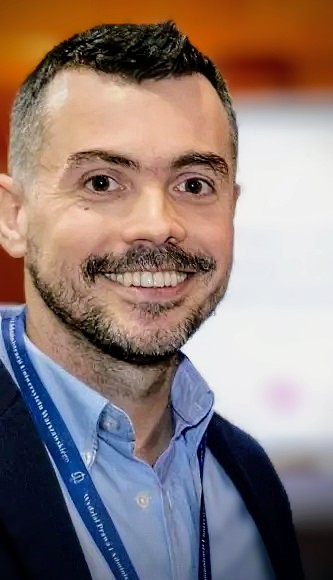
I am a Senior Lecturer in the Institute of Law and Social Sciences. As a health and human rights lawyer, my research examines how international human rights norms are mobilised and how they shape global health governance and domestic policy. My work sits at the intersection of international law, public health, and socio-legal studies, with a particular focus on how human rights are implemented, contested, and re-imagined in practice.
My scholarship has been published in leading journals, including Harvard Health and Human Rights and the Journal of Law, Medicine and Ethics. I also have a forthcoming monograph with Brill’s Global Health and Human Rights Series, which advances a novel human-rights-based approach to Health Technology Assessment (HTA). HTA is an interdisciplinary process used to determine the value of new health technologies. This research argues for embedding substantive human rights obligations into resource-allocation processes in order to counter market-driven scarcity and to create conditions that make essential technologies more affordable.
My fellowship project builds directly on this expertise to develop a new research agenda on the emerging “equity turn” in current global health reforms following the COVID-19 pandemic. While equity has become a dominant guiding principle invoked in recent global health negotiations—most notably in the 2024 amendments to the International Health Regulations and the Pandemic Agreement finalised in May—its relationship to human rights remains under-examined. Drawing on qualitative document analysis, elite interviews, and doctrinal legal analysis, the project investigates whether equity is displacing human rights obligations or operating alongside them, and with what implications for state accountability and normative standard-setting at the World Health Organization (WHO).
The project will generate evidence to support WHO stakeholders in assessing whether there has been a retreat from human rights discourse in favour of equity-based advocacy. A research residency at the Brocher Foundation (Geneva) in summer 2026 will facilitate engagement with key global health actors and the dissemination of findings. In 2026, I will also be a Visiting Professor at the University of Toronto, where an established research partnership will support future grant applications and collaborative data analysis.
Dr Elysa Ioannou, Researcher
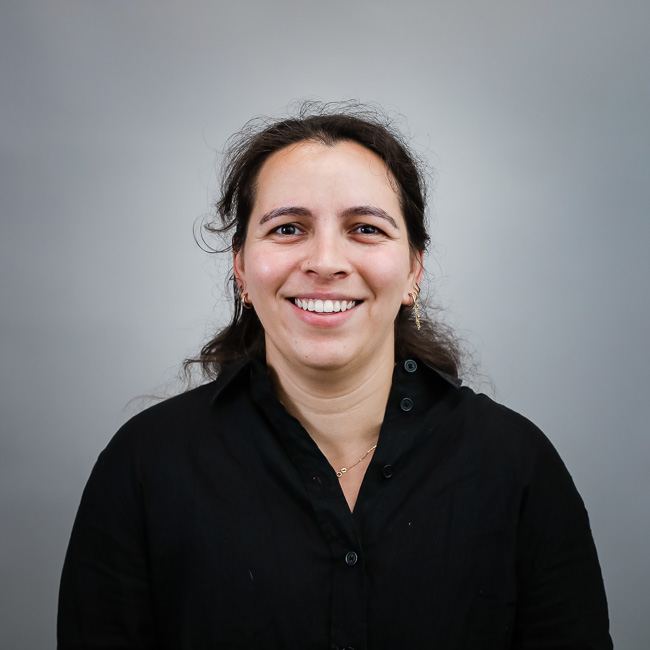
I am an Early Career Researcher with research interests in physical activity, maternal health, diabetes and obesity with a strong interest in real‑world evaluation and applied health research that addresses inequalities and improves outcomes for underserved groups. My work spans qualitative, quantitative and realist‑inspired research, with a particular focus on understanding system‑level barriers to physical activity and improving support for women after gestational diabetes.
My PhD, completed at Sheffield Hallam University in 2024 implemented the socio‑ecological model and a realist approach to generate recommendations to optimise physical activity after gestational diabetes. This work resulted in five peer‑reviewed journal articles and was recognised nationally and internationally through the BASES 2022 Award and shortlisting for the 2023 HEPA Early Career Award. I also collaborated internationally, contributing to a global consensus study across five continents for research priorities following gestational diabetes that has resulted in a further two peer-reviewed journal articles.
Since completing my PhD, I have broadened my research portfolio through roles on several multidisciplinary projects, most notably the NIHR‑funded ENHANCE evaluation of Complications of Excess Weight Clinics for children and young people. In this role I collaborate with colleagues across multiple universities and work closely with an advisory group of young people living with obesity. My contributions include mixed‑methods data collection and analysis, developing innovative patient and public involvement approaches, managing dissemination activities and leading sections of the project’s outputs.
The Early Career Research and Innovation Fellowship will give me protected time to take the next step towards research independence. My core aim is to contribute as a co‑applicant to a follow-on NIHR grant, leading a work package that builds on our work and findings in ENHANCE. Alongside this, I will work on building my portfolio, developing ideas and continuing to grow my networks and connections. These activities will enable me to consolidate collaborations, generate high‑quality outputs, and build a trajectory towards becoming a future research leader in service improvements around obesity and reducing risk of diabetes through physical activity.
Dr Shafqat Jaigirdar, Lecturer
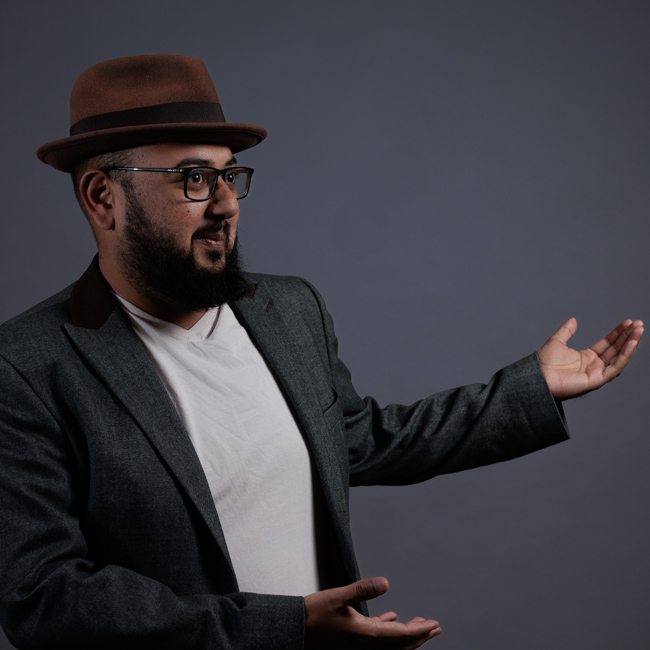
I am a researcher and lecturer at the Biomedical Sciences Research Centre in the School of Biosciences and Chemistry. My work focuses on the function of rare immune‑cell subsets in inflammatory skin diseases such as psoriasis and eczema. I completed my PhD at the University of Glasgow and my postdoctoral training at the University of Manchester, where I published on related topics.
During my ECRI fellowship I will develop a 3D model of skin inflammation to generate preliminary data. I also aim to build a collaborative network with clinicians and academics to incorporate clinical samples, access specialised facilities, and bring in novel ideas that will increase the impact of my research. These activities will support external grant applications to the Wellcome Trust and the Psoriasis Association UK and help launch my independent research career.
I am a passionate advocate for science communication. I regularly appear on BBC Radio Sheffield’s “Body Talk” segment and host a podcast, Tea with T Cells, which explores career paths for science graduates and demystifies scientific myths for the public. The ECRI fellowship will further allow me the time and space to expand my public engagement role and explore funding opportunities in this area.
Dr Ibrahim Orekoya, Lecturer – Strategic Management, Sheffield Business School
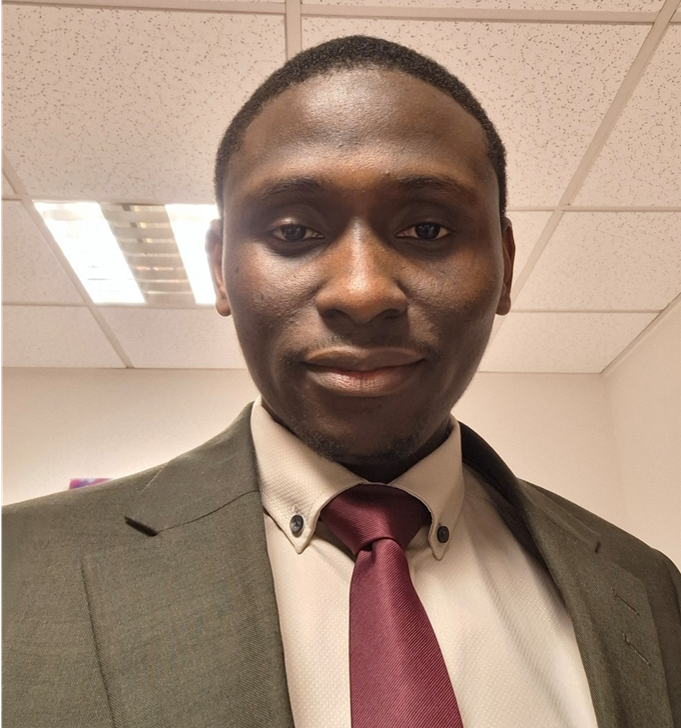
I am a Lecturer within the Business Management and People Division at Sheffield Business School. I joined Sheffield Hallam University in April 2024, following the completion of my PhD in Management at Lancaster University. My current research examines inclusive leadership, as well as knowledge and innovation within organisational teams operating in multicultural contexts. Inclusive leadership is particularly significant for fostering creativity and innovation. Using quantitative methodology, I investigate the relationship between inclusive leadership and outcomes in both service and manufacturing industries. Furthermore, I have a research interest in exploring the link between inclusive leadership and pro-environmental goals in the tourism and hospitality sector.
During my ECRI Fellowship, I aim to advance my research agenda with a particular emphasis on sustainability. Specifically, I will develop and publish research papers based on an existing dataset that extends my doctoral work. In addition, I will cultivate collaborative partnerships within and beyond Sheffield Hallam University, prepare competitive funding proposals, and disseminate my research findings at leading academic conferences.
Dr Lewis Quayle, Senior Lecturer
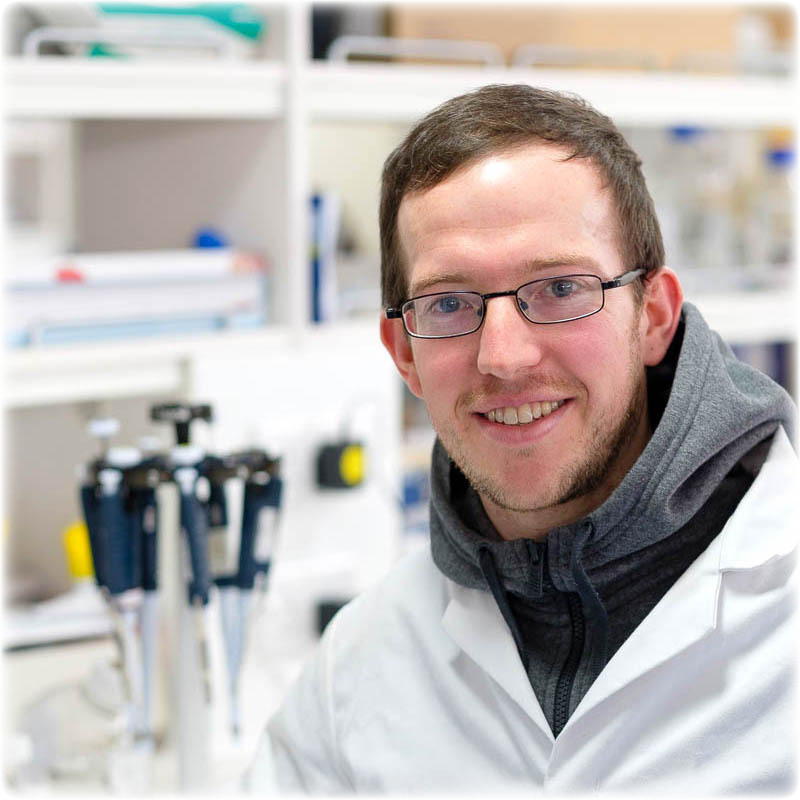
Dr Lewis Quayle is a bioinformatician and Senior Lecturer at Sheffield Hallam University, where he leads interdisciplinary research at the interface of cancer biology, computational analytics, and precision medicine. Trained originally as a cancer biologist, his work reflects a modern view of cell biology in which high-resolution molecular profiling and computational modelling are essential tools for understanding disease mechanisms and improving patient outcomes.
Lewis’s research primarily focuses on metastatic dormancy and therapeutic resistance – key drivers of cancer relapse that remain poorly understood despite major clinical relevance. By integrating multi-omic profiling, network modelling, and machine learning with biologically grounded experimental systems, his work aims to uncover the molecular programmes that allow disseminated tumour cells to evade therapy and persist for years before reactivating as incurable metastatic disease. His research spans breast, prostate, colorectal, bladder and ovarian cancers, with a particular emphasis on translating complex biological signals into actionable clinical insight.
Prior to joining Sheffield Hallam University, Lewis held research appointments at University of Sheffield, where he contributed bioinformatics expertise to nationally significant initiatives including the 100,000 Genomes Project and the GUSTO clinical trial. His work has supported mutational profiling, molecular subtyping, and data-driven stratification approaches in oncology, alongside a strong track record of high-quality publications, collaborative funding, and research software development.
Alongside research, Lewis is deeply committed to education, mentorship, and research culture. As a Fellow of Advance HE and a certified Carpentries instructor, he leads postgraduate teaching in healthcare analytics and data science, supervises researchers across career stages, and contributes to national bioinformatics training and open science initiatives.
The Early Career Research and Innovation Fellowship provides protected time to consolidate Lewis’s independent research programme in cancer bioinformatics and translational oncology. During the fellowship, he will complete foundational analysis of existing multi-omic datasets, produce a high-impact scholarly review to shape the field, and prepare major external funding applications as principal investigator. These activities will support the growth of a sustainable research programme aligned with Sheffield Hallam University’s health data science and biomedical research priorities, and position computational oncology as a core component of contemporary cancer biology within the institution.
Dr Yogang Singh, Senior Lecturer
I am a Senior Lecturer in Automation, Control and Robotics within the School of
Engineering and Built Environment, with research expertise in autonomous systems,
robotics, and AI-enabled cyber-physical systems. My work focuses on the design and
deployment of low-cost, intelligent robotic platforms to address real-world environmental
and industrial challenges, particularly in aquatic and marine environments. Over the past
decade, my interdisciplinary research has combined control systems engineering,
autonomous navigation, sensor integration, and field experimentation, resulting in the
development of multiple autonomous marine robots and over 40 peer-reviewed
publications. My detailed portfolio can be seen at : https://yogangsingh.github.io/
A central theme of my research is using robotics as an enabling technology for
environmental monitoring and climate action. Prior to joining Sheffield Hallam, I led and
contributed to international projects in the UK, USA, Belgium, and India, including
autonomous shipping, smart marine automation, and water pollution monitoring. Since
joining SHU, I have developed two agile, low-cost marine robotic platforms that have been
successfully tested in local water bodies, providing a strong foundation for place-based
research with direct regional impact.
My ECRIF fellowship focuses on advancing autonomous environmental monitoring in
South Yorkshire, with a particular emphasis on water quality challenges at Redmires
Reservoir, a critical drinking water source for Sheffield. The fellowship will enable me to
integrate advanced environmental sensors into existing robotic platforms, conduct field
trials in collaboration with Yorkshire Water, and develop predictive, data-driven
approaches to understanding nutrient loading, turbidity, and sediment dynamics.
Alongside this, I will embed research outcomes into postgraduate teaching through
research-led modules and hands-on demonstrations.
A key ambition of the fellowship is to establish the Autonomous Environmental
Robotics Research Group at SHU, fostering interdisciplinary collaboration across
engineering, computing, environmental science, and external stakeholders. The fellowship
will also support the development of major external funding applications, including EPSRC
and NERC-led international bids, and position this research area to contribute high-quality
outputs towards REF 2029. Overall, the ECRIF provides a critical platform for me to
transition fully into independent research leadership, delivering impactful, communityfocused
research that aligns with SHU’s Climate Action and Transforming Lives strategies.
Dr Helen Stratford, Senior Lecturer
I am a practicing artist-architect, researcher and Senior Lecturer in Architecture researching, teaching and supervising across Architecture, Art and Design within the Sheffield Creative Industries Institute (SCII). My work is widely published and exhibited nationally and internationally. I am advisory board member/artist for The DisOrdinary Architecture Project and was Macgeorge Visiting Fellow, University of Melbourne, 2024.
Informed by feminist theories and led by an enquiry which stems from and includes my own practice, my research explores the use of performance-based participatory methods to make visible, question and challenge spatial prejudices produced at the intersections of social, cultural, economic and political relations. In my doctoral research ‘Feminist Performative Architectures’ I developed an original interdisciplinary methodology that blends methods from art, architecture, ethnography, civic action and performance to reframe performativity, public space and participation across architecture and urban design.
My current research extends this feminist intersectional and multi-modal methodology. Using my experience of chronic pain, partial productivity and self-care I generate autotheories, ‘crip’ understandings to re-constitute public space, with a focus on the development of crip ecologies. That research is disseminated in multiple practice-based forms. This includes ‘Public Spacing: between art architecture and crip time,’ – including research conversations with disabled artist-researchers whose work develops concepts of ‘crip time,’ feminist and queer research, self-care and rest as resistance; an exhibition and public events at Bloc Projects, Sheffield and dissemination at Design and Disability V&A Museum 2025-27; Designing On Crip Time, Sticky Fingers, and Platform: Journal of Theatre & Performing Arts, 2024. I am currently working with ACHE, intersectional feminist press, on an anthology of artist and written work that develops the themes explored in Public S/Pacing.
There is an urgent need to change conceptions of visible and invisible disabilities across art, architecture and urban design, yet disability and illness are also limiting factors in scholarship for many experts with lived experience of these topics. ‘Crip time’ accounts for the ways disabled ‘bodyminds’ move ‘in/through’ time and critiques ableist timeframes and spatial constructions of disability. The Fellowship will provide time and support for new research to examine how ‘crip time’ can be prefigured within and through scholarship to generate broader public-facing impact.
During the Fellowship I will consolidate my current research through new scholarly outcomes. I will develop an international network of early career researchers, senior academics, activists and practitioners and develop a grant application for co-collaborative design with, artists, cultural and civic partners to address wider societal changes prompted by the concept of ‘crip time,’ but unrealised due to a lack of understanding by policymakers and broader publics. I will address this gap by researching how creative practice makes embodied lived experiences of ‘crip time’ visible and, specifically, examining in what way collaborative and performance-based practices challenge normative assumptions of public space and generate compelling new spaces and theories that engage publics.
Dr Sophie Swoffer, Senior lecturer, Performance
I am a performance artist and scholar and I completed my practice-based PhD in 2022 entitled ‘In Her Prime, or Past It?: Reconsidering the Gaze and Feminine Monstrosity in Feminist Performance Art and Film Studies’. I began working at Hallam also in 2022 and I am a senior lecturer in performance.
Both my research and performance art practice is interdisciplinary and draws on both Performance and Film in order to re-envisage the male gaze. I am particularly interested in alternative and monstrous femininities that subvert traditional and heteronormative depictions of the feminine. My work draws upon feminist performance art, film archetypes, digital performance and activism and experimental art. I am particularly interested in work that challenges the idea of the female body as consumable spectacle. My practice uncovers new ways of resisting, reclaiming, and deconstructing the masculinised gaze, in order to produce and celebrate innovative alternatives to heteronormative femininity.
I intend to use the ECR Fellowship to produce a substantial piece of practice-based research in the form of a performance with the working title of Nemesis: A Post #Metoo Reckoning. It will be a continuation of the performance practice that I created for my PhD and will offer my original contributions to contemporary debates on gender and performance in a post #metoo context. This piece will be a portable show that will have two formats, one as a set timed performance that can be adapted for international performance festivals and a second iteration as an immersive installation. The piece aims to make audiences aware of their own involvement, and potential complicity with the dynamics of the male gaze. I will find out how female agency can be extended by technology when this is combined with the presence of the live performing body. It will reveal what this agency can add to fourth wave feminism’s emphasis on digital technologies as a way of provoking collective feminist action.
I have also published articles on my practice and research to the Studies in Theatre and Performance journal, Makings journal and the Body, Space & Technology journal.
Dr Remy Veness, Lecturer
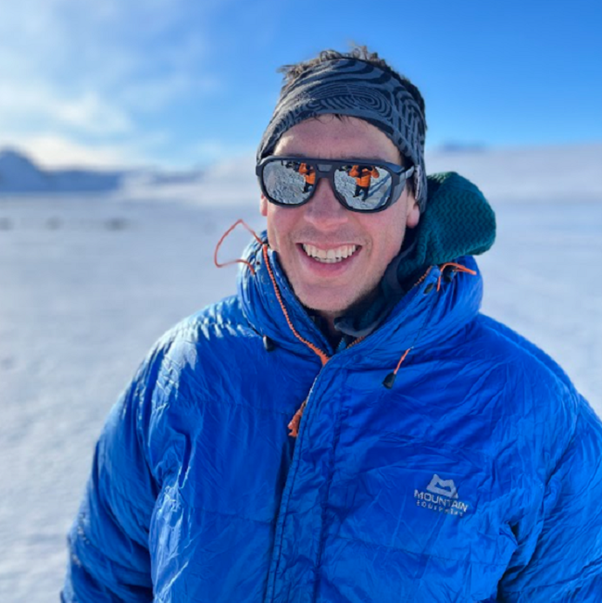
I am a Lecturer in Glaciology and Geographic Information Systems in the Geography Environment and Planning subject group. I joined SHU in 2024, after completing my PhD on model-data comparison of the last British and Irish Ice Sheet. During my PhD I developed new methods of comparing proxies of past ice flow direction to modelled flow direction.
Over the last four years, I have been leading data collection from the Hofsjokull Icecap in Iceland as part of an ongoing project which I have called ‘DRUMICE’. The project aims to elucidate the formation of a subglacial landform called a ‘drumlin’. Drumlins are elongate ridges in sediment (hundreds of meters in length) which form beneath glacial ice in specific conditions. Historically observations of their formation beneath ice have been very rare (approximately 5 sites globally), despite them appearing readily in deglaciated areas (thousands of sites).
During my fellowship I will use data I have collected over the last four years to demonstrate a new method of remotely deciphering the subglacial environment using satellite observations and field observations. This data will be presented as a paper, representing the culmination of two field campaigns, over 100 field person-days and 130 km of data to monitor drumlins beneath the Hofsjökull icecap. This paper would conclude an ongoing collaboration I have led over the last four years across the UK, Iceland, and Germany. With a view of extending this project and these collaborations, the ECRIF will be used to arrange an in person workshop (in Sheffield), bringing together new and existing collaborators for a future leaders fellowship (FLF) application I will write and submit in summer 2027. My FLF application will look to verify findings from the ECRIF paper and apply them to more sites through a series of field campaigns in Iceland and Antarctica.
Dr Harriet Wingfield, Research Fellow

I am a Research Fellow at Sheffield Hallam University, currently working with Sport England on the National Evaluation and Learning Partnership (NELP). My research focuses on whole systems approaches, systems thinking and evaluation in public health, with a particular emphasis on addressing physical activity inequalities. I am especially interested in participatory approaches and the use of realist methodologies alongside traditional methods to generate practice-relevant insights.
In my NELP role, I lead a national workstream supporting places across England to evaluate place-based and whole systems approaches aimed at reducing physical activity inequalities. This work has enabled me to develop a strong understanding of how whole systems approaches are interpreted and applied in practice, and has highlighted variation in how different actors and systems understand what a ‘whole systems approach’ means. This variation can influence the scope, inclusivity and effectiveness of public health policies and interventions.
My ECRIF will build on this expertise by taking the study of whole systems approaches to a global scale. The fellowship will involve a comparative study examining how whole systems approaches are interpreted and operationalised within national physical activity policies, across different international contexts. Drawing on interviews with national-level policy and academic stakeholders, alongside documentary analysis of national strategies, the research will explore how cultural and systemic drivers shape approaches to systems thinking in public health.
A key output of the fellowship will be a journal article and potential development of a prototype diagnostic framework to support policymakers and researchers in assessing how whole systems approaches are conceptualised and applied at a national level. This work aims to support more context-sensitive policy design, implementation and evaluation, with relevance for international organisations such as the World Health Organization (WHO). I will use the supporting ECRIF budget for appropriate dissemination activities, including sharing findings through international networks and at conferences such as the International Society for Physical Activity and Health (ISPAH).
Alongside delivering this research, the fellowship provides an important opportunity to further develop my research leadership and international profile. I am actively involved in global networks, including co-leading a pan-European COST Action grant application, contributing to WHO Systems Science training, and participating in international communities of practice focused on physical activity and systems thinking. Crucially, the fellowship offers protected time to undertake the research, reflect and strategically plan next steps, enabling me to develop future funding applications and progress as an independent researcher in applied systems thinking.
Dr Emily Young, Senior Lecturer in Psychology & Public Health

I am a Senior Lecturer in Psychology & Public Health in the IoSS at Sheffield Hallam University. I joined SHU following the completion of my PhD in 2021, and my research focuses on women’s health, health literacy, and the social and cultural processes through which health symptoms are recognised, normalised, or dismissed.
My early research examined e-cigarettes as a harm-reduction approach to smoking cessation in the postnatal period, using mixed methods to explore implications for maternal health and breastfeeding. This work raised broader questions about how women’s health concerns are framed and responded to within health and healthcare systems, which has shaped the direction of my research. My current research programme centres on menstrual health, with a particular focus on menstrual disorders such as heavy menstrual bleeding, an area that remains highly prevalent yet under-researched.
Using qualitative, mixed-methods, and digital health approaches, including discourse and infodemic analysis, I explore how women make sense of their symptoms and seek information, support, and validation. My recent work highlights how symptoms that are clinically abnormal are frequently framed as “normal” or inevitable, not only within healthcare encounters but within families, education systems, and wider cultural narratives. This normalisation can contribute to delays in help-seeking and diagnosis, and to ongoing inequalities in women’s health outcomes.
This Early Career Research and Innovation Fellowship supports the development and validation of a new research tool, the Menstrual Disorder Symptom Recognition Scale. The scale has been designed to assess how menstrual symptoms are classified as normal, abnormal, or uncertain, addressing a clear gap in existing measures of menstrual health knowledge. During the fellowship, I will lead a UK-wide mixed-methods study with primary and secondary school teachers responsible for delivering PSHE, using the scale to examine patterns of symptom recognition, uncertainty, and confidence.
The fellowship provides protected time to refine and statistically validate the scale, alongside qualitative exploration of how menstrual disorders are currently addressed within school curricula and where gaps in knowledge and training exist. This work will result in a validated measure that can be used in future research and will inform the development of education-based interventions aimed at improving early recognition of menstrual disorders.
Dr Hantian Zhang, Senior Lecturer in Media
I am a Senior Lecturer in Media at the Sheffield Creative Industries Institute (SCII). I was awarded a PhD in Digital Media and Communication at the University of Edinburgh. My research interests cover the cultural and technical aspects of social and digital media, including influencers, platforms, content, audiences, participatory culture, and algorithmic networks. My key research projects explore the audience engagement behaviours of YouTubers, YouTube algorithmic video networks, gamification elements on online streaming apps and YouTubers’ cross-platform content distribution behaviours.
The widespread implementation of online and blended learning has sparked my recent interest to further advance my research into the area of online pedagogy, blending my research expertise in social media content creators and platforms. This has become the core of my ECRI Fellowship project: Online Learning with Content Creators on Social Media.
The project aims to develop a new national-scale project investigating the impact of social media content creators (e.g., YouTube and TikTok creators) on UK university students’ online learning experiences. During the Fellowship, I plan to develop an AHRC Catalyst Awards grant application to conduct the project across UK universities. The project will involve a mixed method. This includes quantitative surveys to map the creators followed by students from different disciplines for learning, including the creators’ social media platforms, and qualitative focus groups, to explore the relationship between the strategies of the creators and students’ online learning engagement. Apart from funding development, I will conduct an initial study at SHU to serve as a starting point for the project and support the AHRC application, which will result in a journal manuscript. Furthermore, I will produce an international conference workshop proposal to enable peers’ dialogues regarding content creators and online learning.
The AHRC grant application will contribute to further research income for SHU. Through multi-disciplinary research that bridges communication and online pedagogy studies, this project supports SHU’s research strategy to develop innovative, practical solutions to real-world problems by creating inclusive online learning experiences that help students thrive – key to transforming their lives. Beyond the Fellowship, the project will open opportunities for cross-institute collaboration in communication and pedagogy research, supporting SHU’s strategy of developing new multi-disciplinary areas.